
Beavercreek Sewer Pros
Tree Root Removal (Sewer Lines) in Beavercreek, OH
Root intrusion sewer repair in Beavercreek, OH. Root cutting plus lining to stop regrowth, free estimates.
- 15+ Years local experience
- 500+ Projects completed
- Licensed & Insured
Serving Beavercreek and nearby communities.
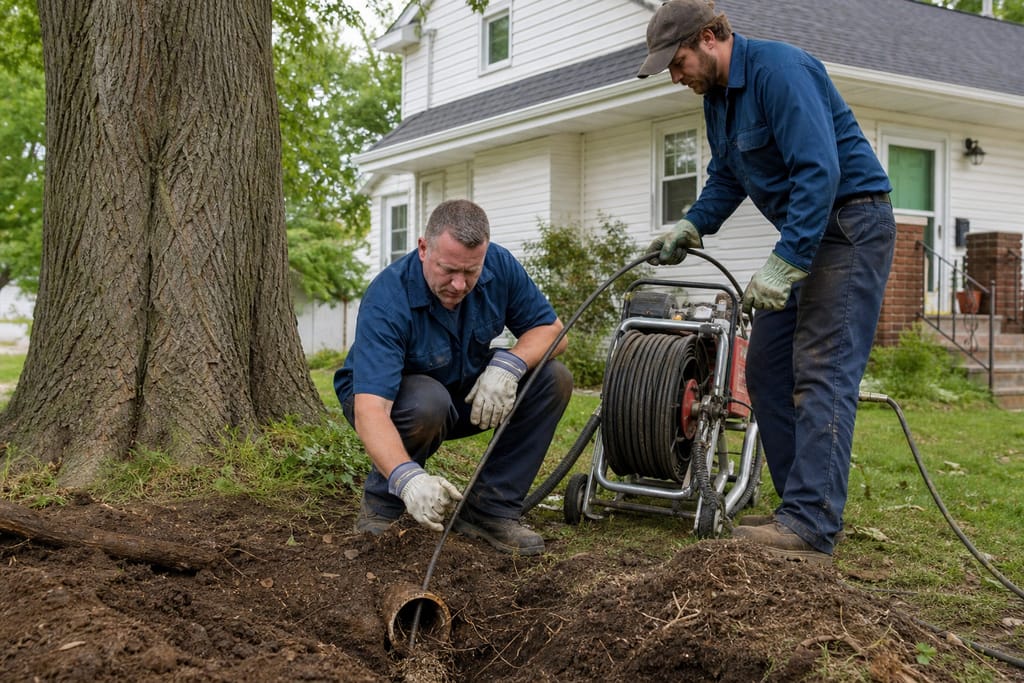
Root intrusion is the number one reason sewer calls come in across Beavercreek's established, tree-lined neighborhoods. Mature trees over decades-old clay and cast iron laterals find every open joint. Even newer developments aren't immune once their landscaping trees grow in.
Beavercreek Sewer Pros clears the roots mechanically, confirms the result with a camera, and recommends CIPP lining when joints need sealing to stop it from happening again.
What's included
What's Included
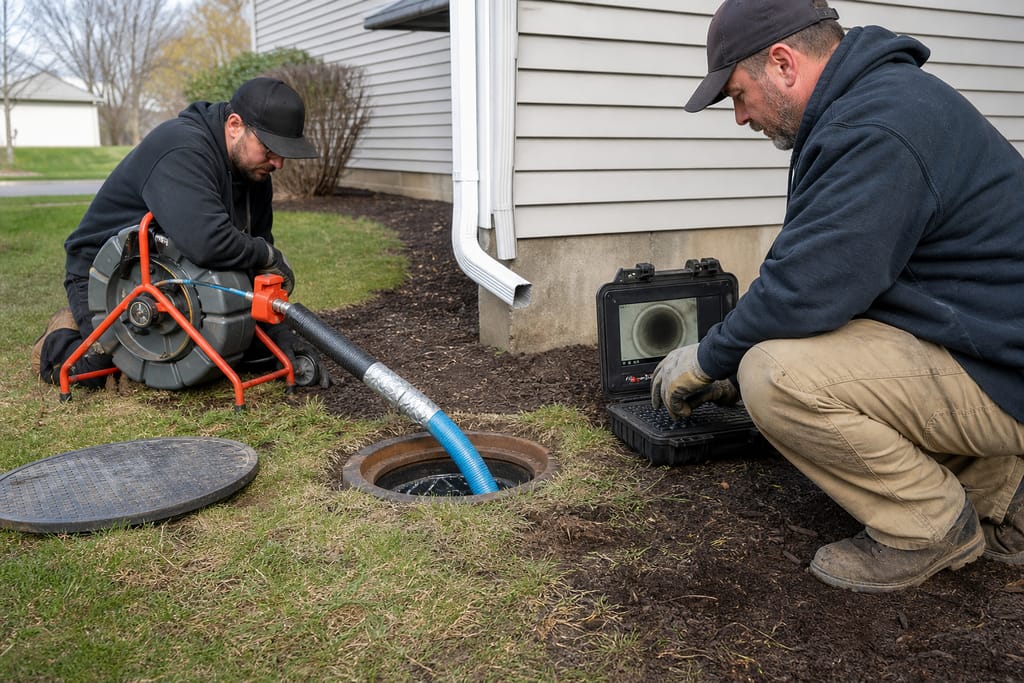
- Mechanical root cutting through the blocked section
- Camera confirmation of the clear
- Optional CIPP lining to seal joints against regrowth
Want a clearer scope?
Get a Free EstimateTree Root Removal (Sewer Lines)
Process
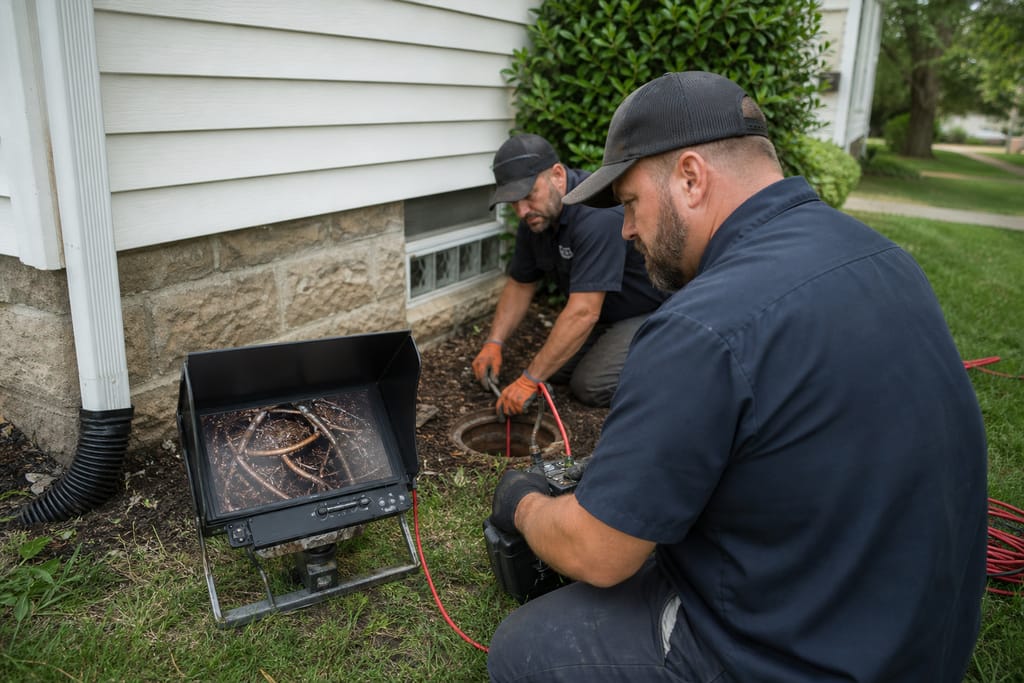
- Root Intrusion Inspection — A camera inspection confirms the presence and extent of root growth in the pipe.
- Cutting Plan — The technician determines the best cutting method based on root density and pipe condition.
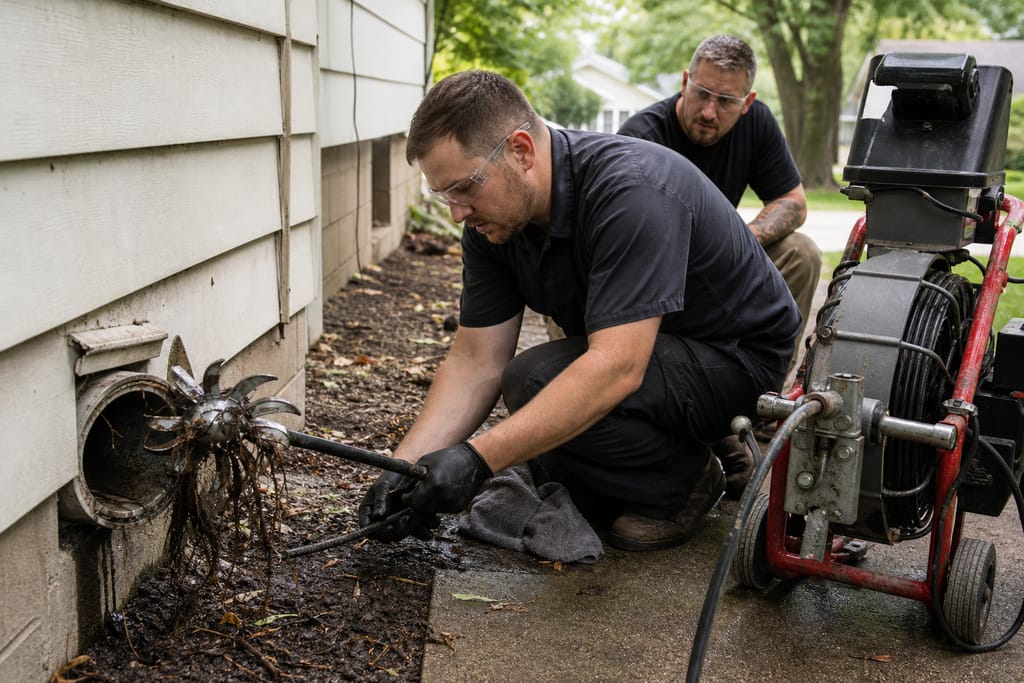
- Mechanical Root Cutting — Rotating blades or cutting heads clear roots obstructing the pipe interior.
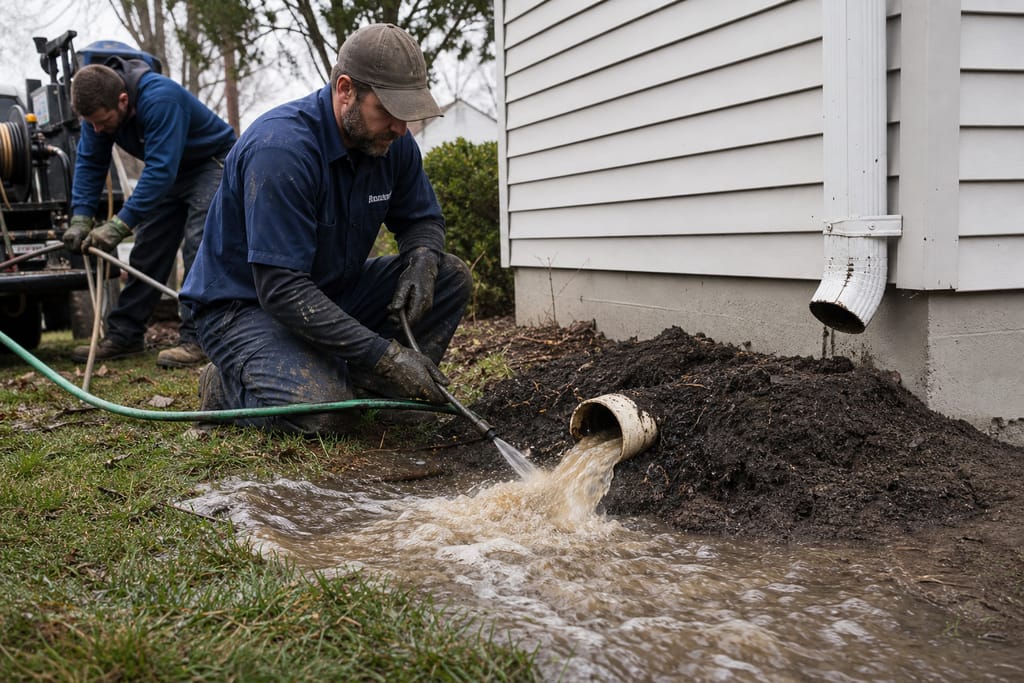
- Debris Flushing — Water jetting removes cut root material and debris from the line.
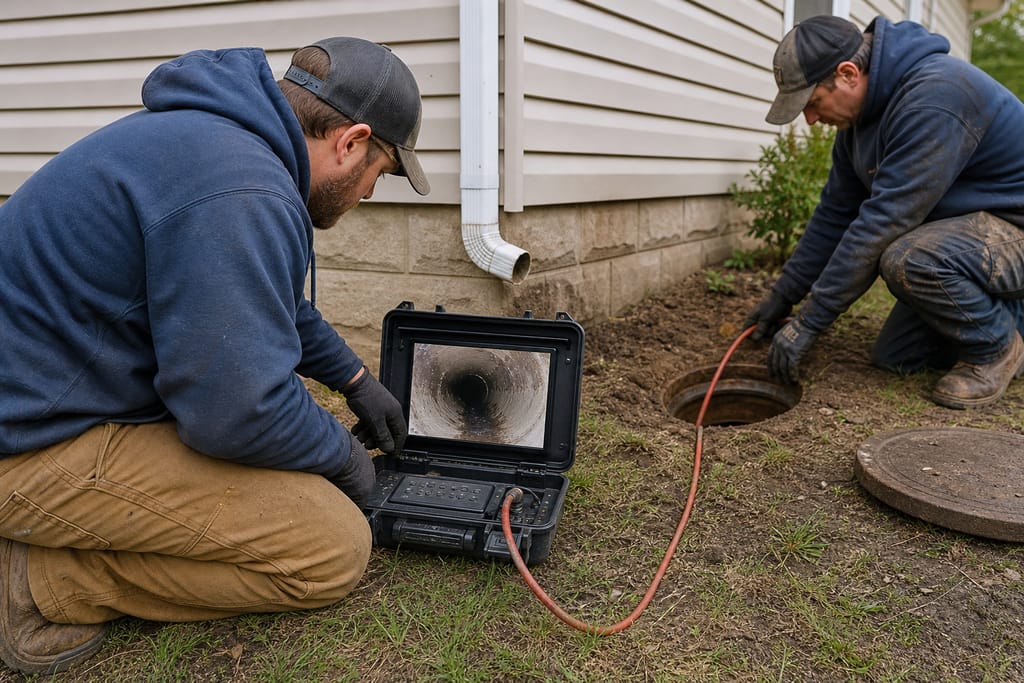
- Pipe Condition Check — The pipe is inspected again to assess any remaining damage caused by roots.
- Prevention Recommendation — Long-term solutions like lining are recommended to prevent future root intrusion.
Questions about this?
Get a Free EstimateMaterials
Materials and Methods for Tree Root Removal
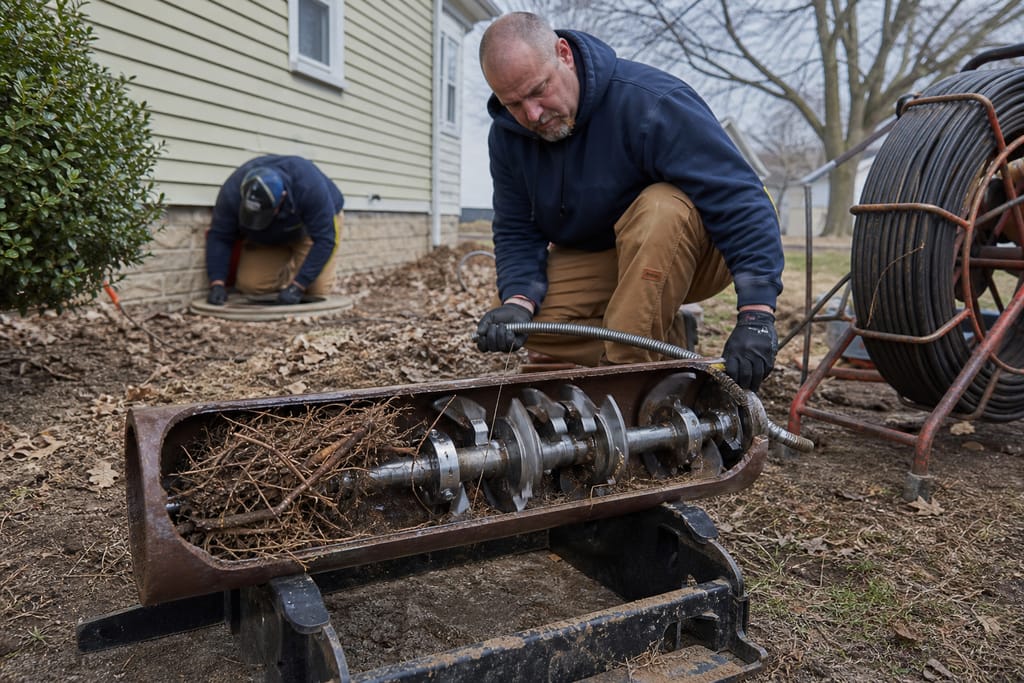
Root Cutting Blades
Sharp rotating blades slice through roots without damaging the pipe wall, standard equipment for Beavercreek's mature-tree lots.
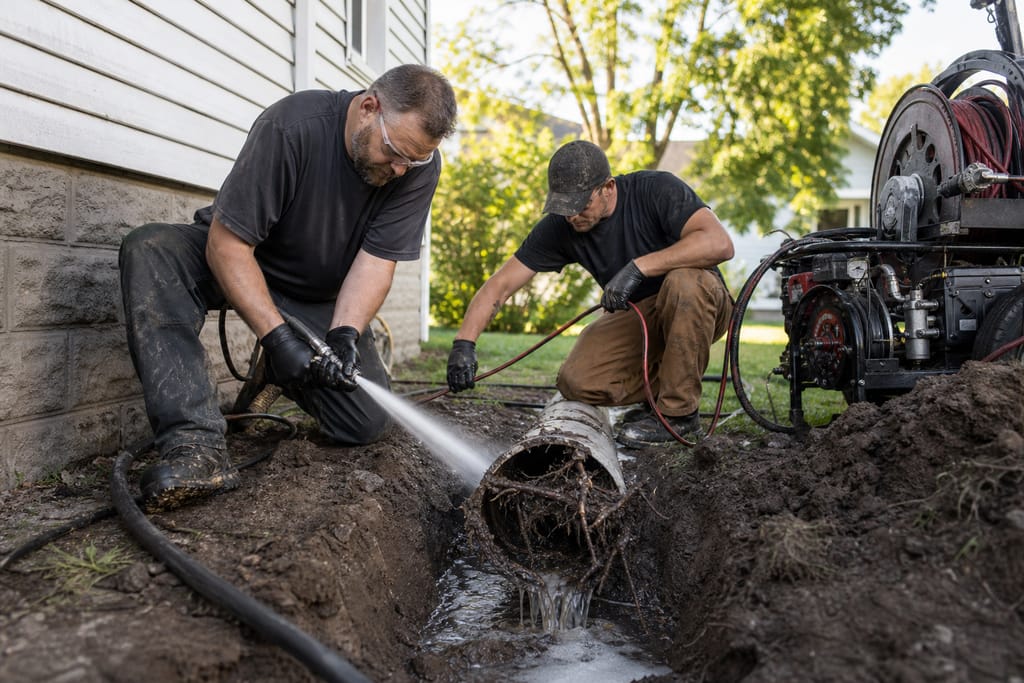
Hydro Jetting Equipment
High-pressure water jets clear remaining root debris after cutting.
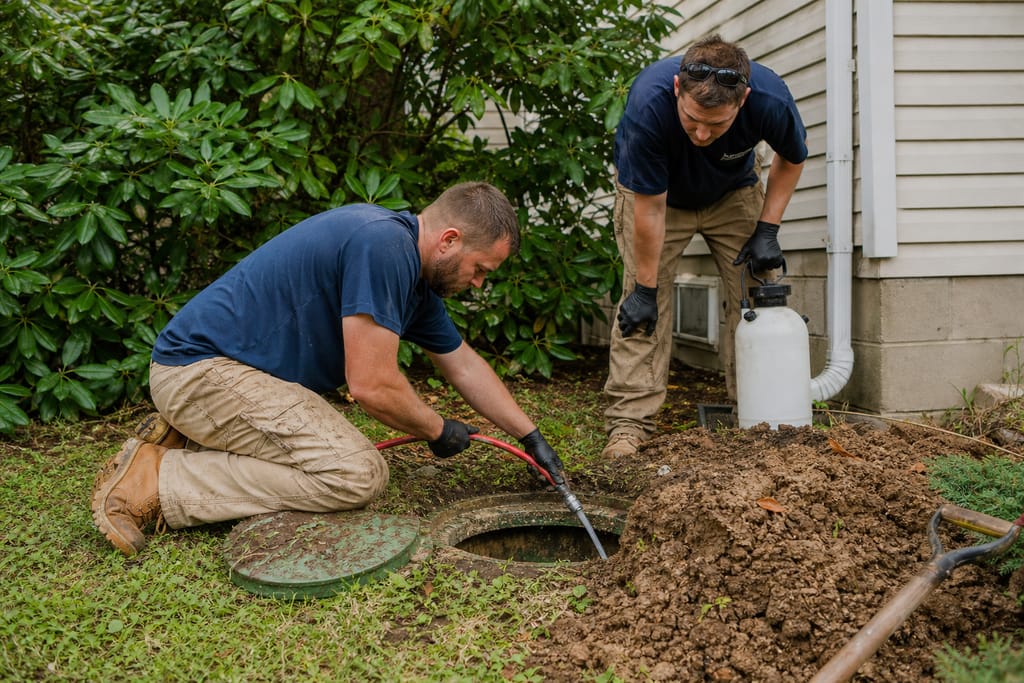
Root-Inhibiting Treatments
Chemical treatments help slow future root growth inside the pipe.
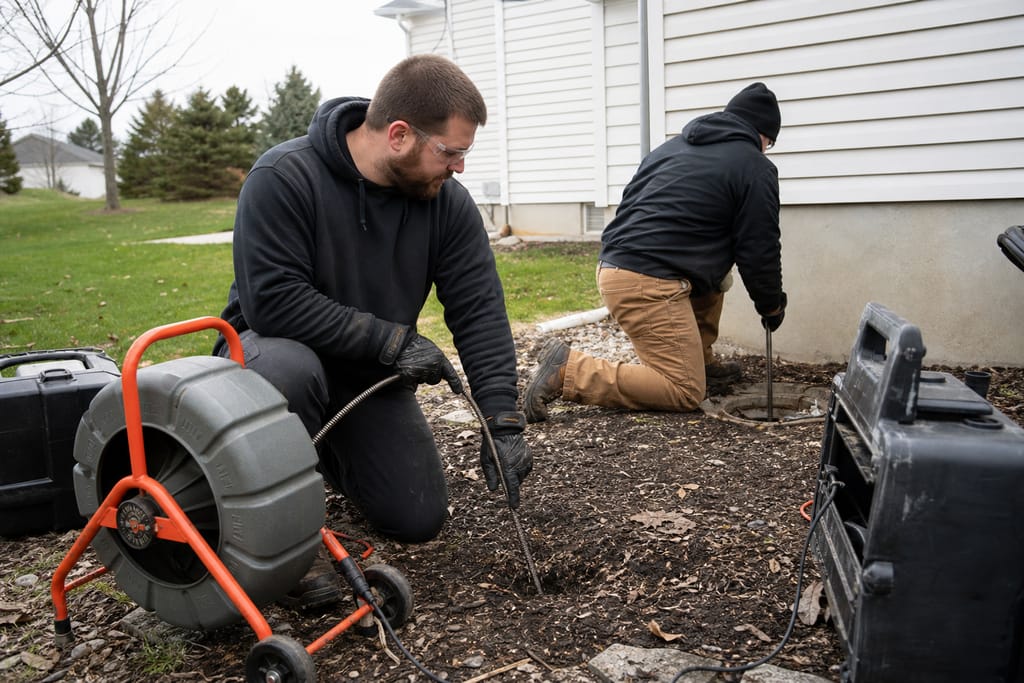
Flexible Cutting Cables
Cables guide cutting heads through bends to reach root-blocked sections.
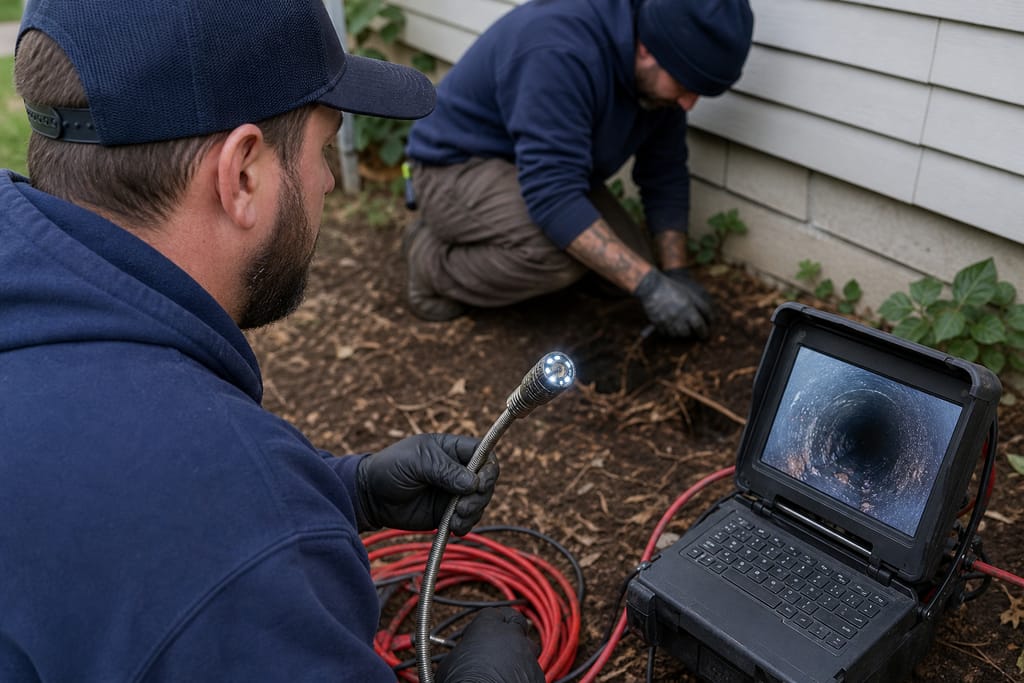
Inspection Camera Tools
Cameras confirm root removal and check for underlying pipe damage.
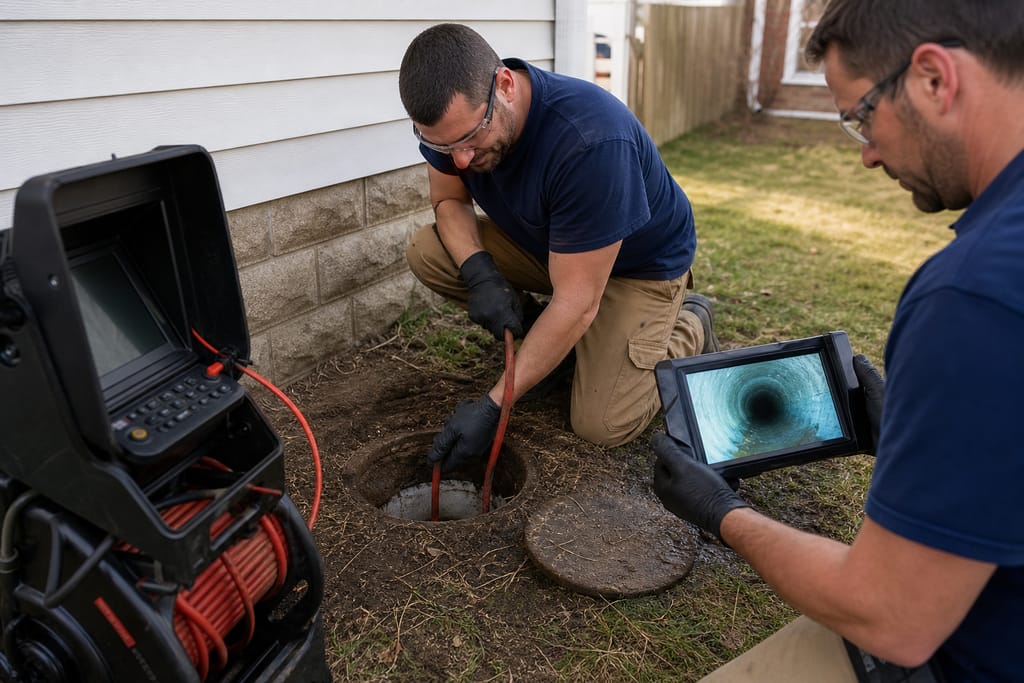
Protective Pipe Coatings
Coatings add a barrier that helps resist future root intrusion.
Questions on materials?
Get a Free EstimateTimeline
How Long Does a Tree Root Removal Take?
Root cutting is a fast fix; lining on top of it takes a bit longer.
- 01
Camera inspection and cutting plan
same day - 02
Mechanical cutting and flushing
half day - 03
Optional liner install
1 dayadditional
- 04
Final camera check
same day
Need a schedule that fits?
Get a Free EstimateTree Root Removal (Sewer Lines)
Will Roots Grow Back
Cutting alone clears the blockage but leaves the joint open. Roots find that same weak spot again, usually within a season or two. Lining seals the joint from the inside, which is why we pair the two when the damage warrants it.
Questions about this?
Get a Free EstimateFAQs
Tree Root Removal FAQs
Will tree roots keep growing back after CIPP lining?
Lining seals the joints roots were using, which stops regrowth at that section. Root cutting alone doesn't address the open joint, so cutting without lining can mean repeat calls.
What's causing recurring sewer backups in a newer house?
Even young landscaping trees can send roots toward a joint with moisture, especially if the original pipe installation left a gap. A camera inspection confirms whether roots are the cause.
Can newer homes have root problems too?
Yes. As soon as landscaping trees mature enough to send roots deep, even a newer PVC lateral with a loose joint can see intrusion.
How much does root removal cost?
Mechanical cutting alone runs less than cutting plus lining. The final number depends on root density and whether the joints need sealing for the long term.
Tree Root Removal (Sewer Lines)
Get Your Line Checked for Root Damage
Call +1 (937) 900-9814 for a free estimate if you've had repeat backups or recent rodding that didn't stick.
Home | Contact | Sewer Line Repair
---
Questions about this?
Get a Free EstimateHow it works
Our process
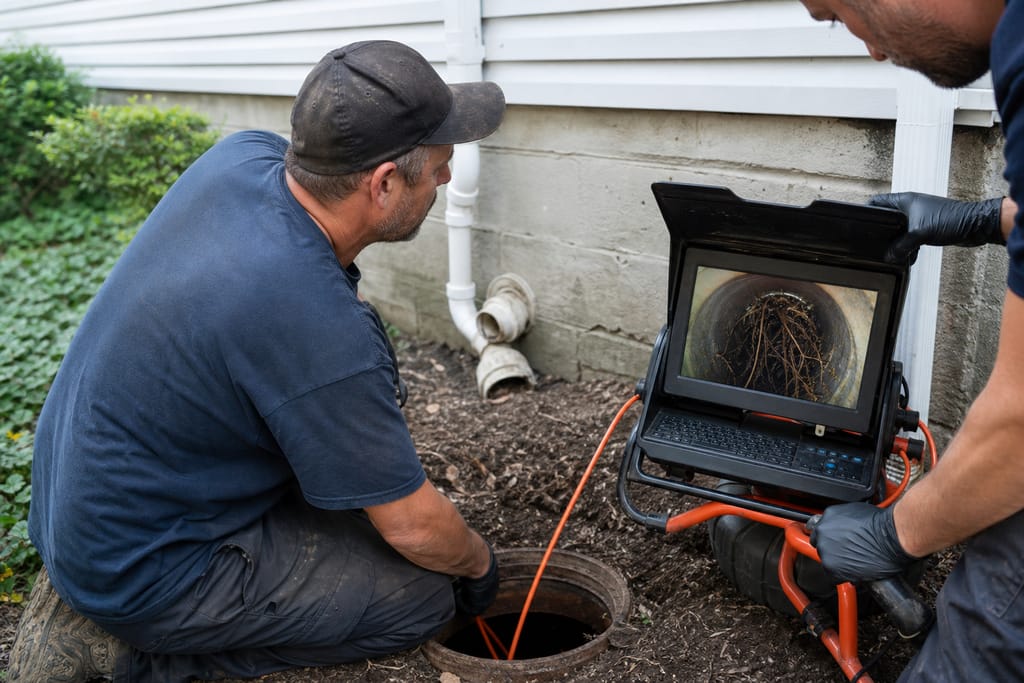 Step 1
Root Intrusion Inspection
A camera inspection confirms the presence and extent of root growth in the pipe.
 Step 2
Cutting Plan
The technician determines the best cutting method based on root density and pipe condition.
 Step 3
Mechanical Root Cutting
Rotating blades or cutting heads clear roots obstructing the pipe interior.
 Step 4
Debris Flushing
Water jetting removes cut root material and debris from the line.
 Step 5
Pipe Condition Check
The pipe is inspected again to assess any remaining damage caused by roots.
 Step 6
Prevention Recommendation
Long-term solutions like lining are recommended to prevent future root intrusion.
More services
Other Trenchless Sewer Repair services
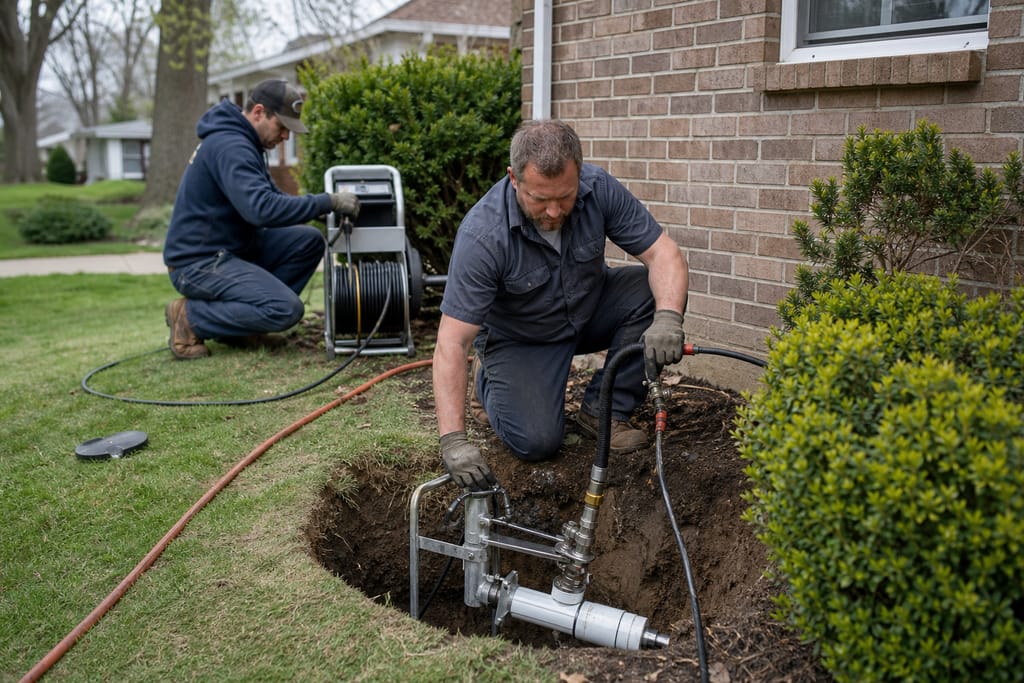
Trenchless Sewer Repair
No-dig sewer lining and bursting, camera-verified before and after, free estimates.
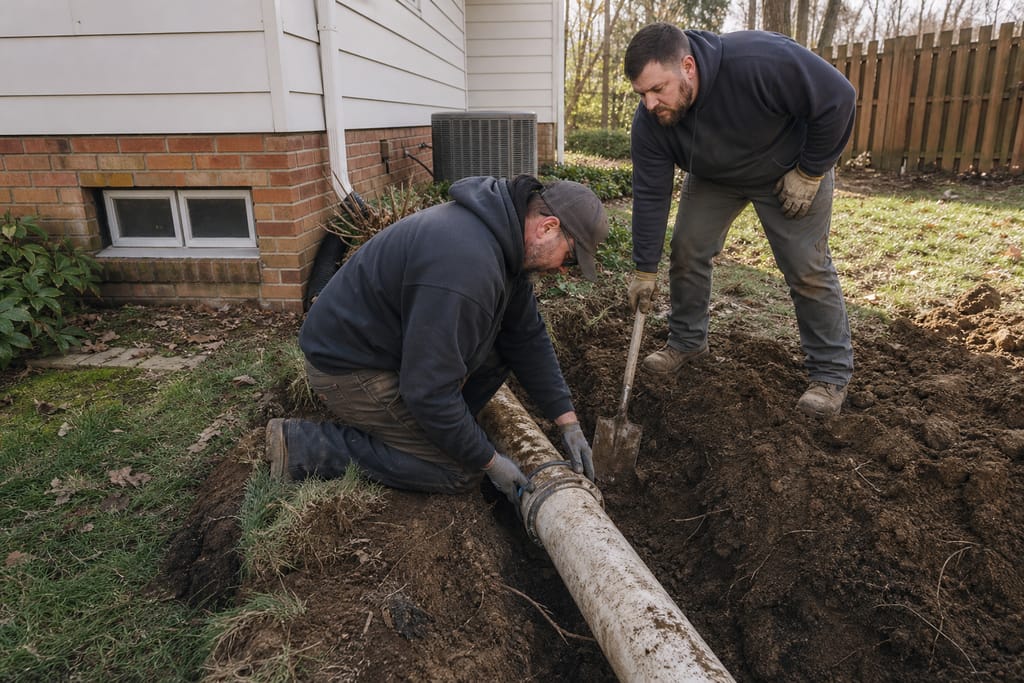
Sewer Line Repair
Sewer line repair in Beavercreek, OH with trenchless spot repairs, camera diagnosis, and free estimates on every job.
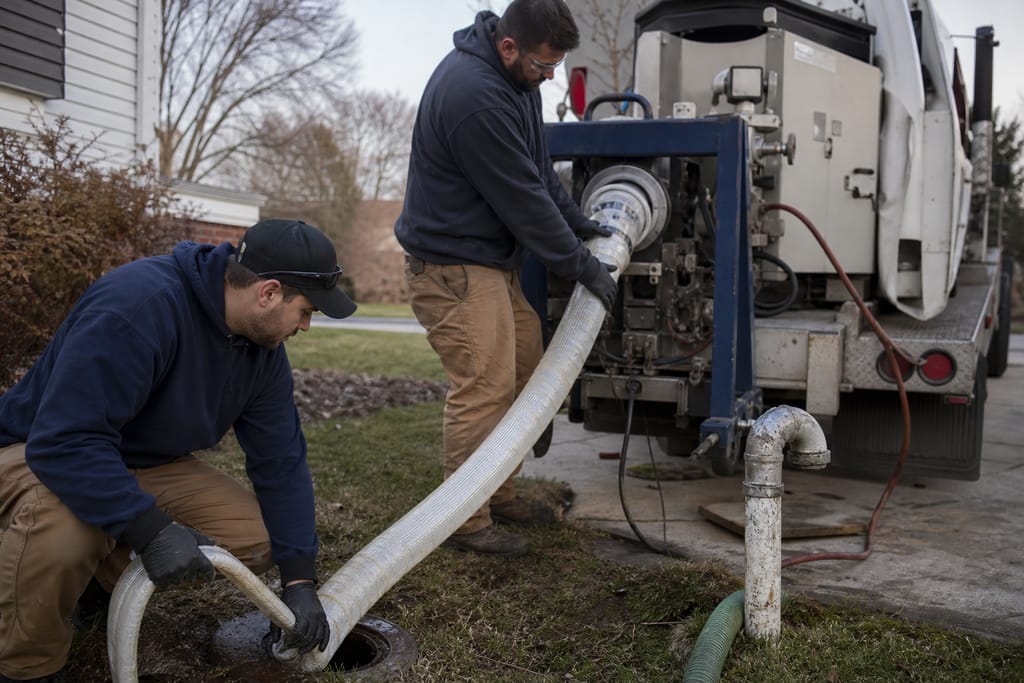
CIPP Pipe Lining
CIPP pipe lining in Beavercreek, OH. Resin liners cured in place, no dig, free estimates.
Ask about Tree Root Removal (Sewer Lines)
Tell us about the project and how to reach you.